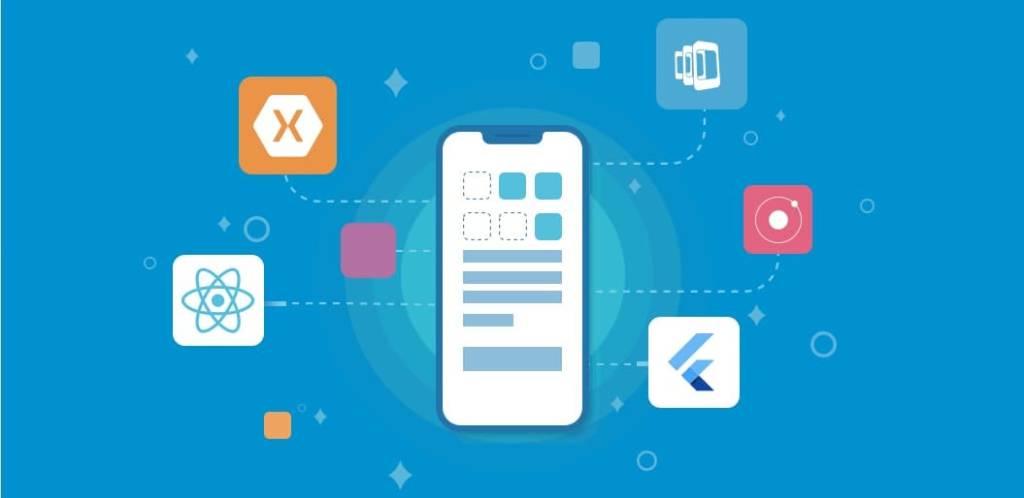
In today’s fast-paced digital landscape, mobile applications have become an integral part of businesses aiming to connect with their audience effectively. However, developing apps for multiple platforms can be a daunting and expensive task. Enter cross-platform app development – a cost-effective solution that allows you to reach users across different devices without breaking the bank. This article will explore the ins and outs of budget-friendly cross-platform app development and provide you with a step-by-step guide on how to achieve brilliance without stretching your resources thin.
Table of Contents
- Introduction
- Understanding Cross-Platform Development
- The Significance of Cross-Platform Development
- Pros and Cons of Cross-Platform Development
- Choosing the Right Development Framework
- React Native
- Flutter
- Xamarin
- Crafting a Solid App Design
- Simplified UI/UX Across Platforms
- Consistent Branding Elements
- Optimizing App Performance
- Code Optimization Techniques
- Dealing with Performance Bottlenecks
- Implementing Functionality
- Shared Codebase for Features
- Platform-Specific Functionality
- Testing, Testing, 1, 2, 3
- The Importance of Comprehensive Testing
- Embracing Real Device Testing
- Iterating and Refining
- Gathering User Feedback
- Continuous Improvement Cycles
- Budget-Friendly Tools and Resources
- Open-Source Libraries
- Online Communities and Support
- Overcoming Challenges
- Fragmentation and Compatibility Issues
- Learning Curve for New Frameworks
- Cost Comparison: Cross-Platform vs. Native Development
- Success Stories: Brands that Nailed Cross-Platform Development
- Tips for Marketing and Launching Your App
- Creating a Compelling App Description
- Leveraging Social Media for Launch
- Measuring App Success and User Engagement
- Key Metrics to Track
- User Feedback and Reviews
- Conclusion
Introduction
The digital market is fiercely competitive, and businesses need a way to connect with their audience that doesn’t break their budget. Enter cross-platform app development: a savvy approach to building apps that work seamlessly on multiple operating systems while keeping costs in check.
Understanding Cross-Platform Development
The Significance of Cross-Platform Development
Cross-platform development allows you to write code once and deploy it across various platforms, saving both time and money. It’s an attractive option for startups and small businesses aiming to make a big impact without a big investment.
Pros and Cons of Cross-Platform Development
While cross-platform development offers efficiency and cost savings, it may have limitations in terms of accessing certain native features. However, these limitations are shrinking as development frameworks advance.
Choosing the Right Development Framework
React Native
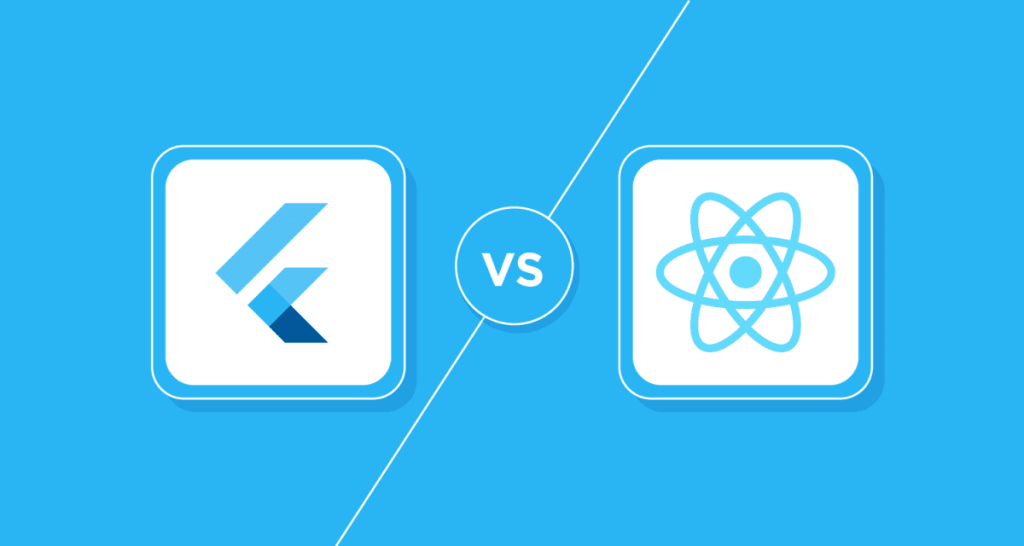
Known for its simplicity, React Native lets you build apps using JavaScript and React. It’s ideal for projects with tight deadlines and limited resources.
Flutter
Google’s Flutter uses a single codebase to create visually attractive apps. It’s perfect for crafting custom designs and animations.
Xamarin
Owned by Microsoft, Xamarin offers C# code sharing across platforms. It’s suitable for businesses heavily invested in the .NET ecosystem.
Crafting a Solid App Design
Simplified UI/UX Across Platforms
Aim for a clean and straightforward design that offers a consistent user experience across different devices. This reduces development time and enhances user satisfaction.
Consistent Branding Elements
Maintain your brand’s identity by using consistent colors, fonts, and visual elements. This strengthens brand recognition and user trust.
Optimizing App Performance
Code Optimization Techniques
Efficient code not only improves performance but also reduces the chances of bugs and crashes. Minimize unnecessary code and optimize algorithms.
Dealing with Performance Bottlenecks
Identify and address performance bottlenecks through profiling and testing. This ensures your app runs smoothly across various platforms.
Implementing Functionality
Shared Codebase for Features
Implement shared functionalities across platforms to save time and effort. However, remain open to incorporating platform-specific features when necessary.
Platform-Specific Functionality
Certain features might require platform-specific coding. While this adds complexity, it enhances the user experience by utilizing native capabilities.
Testing, Testing, 1, 2, 3
The Importance of Comprehensive Testing
Thorough testing is crucial. Conduct unit tests, integration tests, and real device testing to ensure your app works flawlessly on every platform.
Embracing Real Device Testing
Testing on actual devices helps identify real-world issues that emulators might miss. This leads to a more robust and reliable app.
Iterating and Refining
Gathering User Feedback
Release a minimum viable product (MVP) and gather user feedback. This helps you identify areas for improvement and prioritize feature updates.
Continuous Improvement Cycles
App development is an ongoing process. Implement regular updates and improvements based on user feedback and changing market trends.
Budget-Friendly Tools and Resources
Open-Source Libraries
Leverage open-source libraries and tools to speed up development and reduce costs. This vibrant community offers solutions to common challenges.
Online Communities and Support
Engage with online developer communities. These platforms provide valuable insights, solutions, and support throughout your app development journey.
Overcoming Challenges
Fragmentation and Compatibility Issues
The variety of devices and OS versions can lead to compatibility issues. Testing and adapting your app to different configurations are essential.
Learning Curve for New Frameworks
Adopting a new framework can be challenging. However, the investment in learning can pay off in terms of efficiency and app quality.
Cost Comparison: Cross-Platform vs. Native Development
Cross-platform development often comes out ahead in terms of cost-effectiveness. Native development might be costlier due to the need for separate codebases.
Success Stories: Brands that Nailed Cross-Platform Development
Explore case studies of successful apps built with cross-platform development. Learn from their strategies and apply similar approaches.
Tips for Marketing and Launching Your App
Creating a Compelling App Description
Your app’s description influences downloads. Craft a clear, engaging, and benefit-driven description that encourages users to install the app.
Leveraging Social Media for Launch
Utilize social media platforms to create hype around your app launch. Teasers, behind-the-scenes content, and interactive posts can generate buzz.
Measuring App Success and User Engagement
Key Metrics to Track
Monitor metrics like user retention, engagement rates, and conversion rates. These insights guide your ongoing app improvement efforts.
User Feedback and Reviews
Listen to user feedback and respond promptly. Positive reviews build credibility, while addressing concerns demonstrates your commitment to improvement.
Conclusion
Cross-platform app development empowers businesses to achieve brilliance without draining their resources. By selecting the right framework, designing thoughtfully, optimizing performance, and iterating based on user feedback, you can create a successful app that resonates with users across various platforms.
If you’re looking to develop an Cross platform app for your business, consider partnering with a reliable Cross platform App Development Company that understands the significance of security in software development. With the rapid expansion of Cross platform app development services, ensuring the safety of user data and transactions is paramount. An experienced development company can help you build a secure and efficient Cross platform app that meets the needs of your users while maintaining the highest standards of security.
FAQs
Q1: Is cross-platform development suitable for complex apps?
A1: Yes, cross-platform development can handle complex apps, although some advanced functionalities might require platform-specific coding.
Q2: Are there any downsides to using open-source libraries?
A2: While open-source libraries offer valuable resources, relying solely on them might lead to compatibility issues or security vulnerabilities. Always vet the libraries you use.
Q3: Can I migrate an existing native app to a cross-platform framework?
A3: Yes, migration is possible, but it requires careful planning and rewriting parts of the codebase to fit the new framework’s structure.
Q4: How often should I update my cross-platform app?
A4: Regular updates keep users engaged and your app competitive. Aim for updates every 2-3 months, depending on user feedback and emerging trends.
Q5: What’s the typical learning curve for cross-platform development frameworks?
A5: The learning curve varies based on your familiarity with programming languages and development concepts. With resources like online tutorials and communities, you can accelerate your learning process.

 Tagline Infotech
Leave a comment